


American culture teaches independence like it’s a personality trait to be proud of, hands you a newborn, and says good luck, you’ve got this. We’re raised to believe needing help is a character flaw, not a completely reasonable response to raising an actual human being.
Hi there,
Last Monday night, at Bay Street Theater in Sag Harbor, mothers, daughters, and a few brave dads showed up for a screening of No Country for Mothers, the new documentary from Reshma Saujani, founder of Moms First and Girls Who Code. The event was co-hosted by Elizabeth Baron, Jackie Blatt, Christine Ngo Isaac, Jackie Kier, Meredith Shumway & Allison Stern.
Allison Stern, founder of Mother Ventures, opened the evening, and afterward Reshma sat down with Zibby Owens for a Q&A that we could have listened to forever. The sweetest part of the night was spotting Reshma’s husband and her two kids in the audience, the same kids who stole several scenes in the documentary itself.
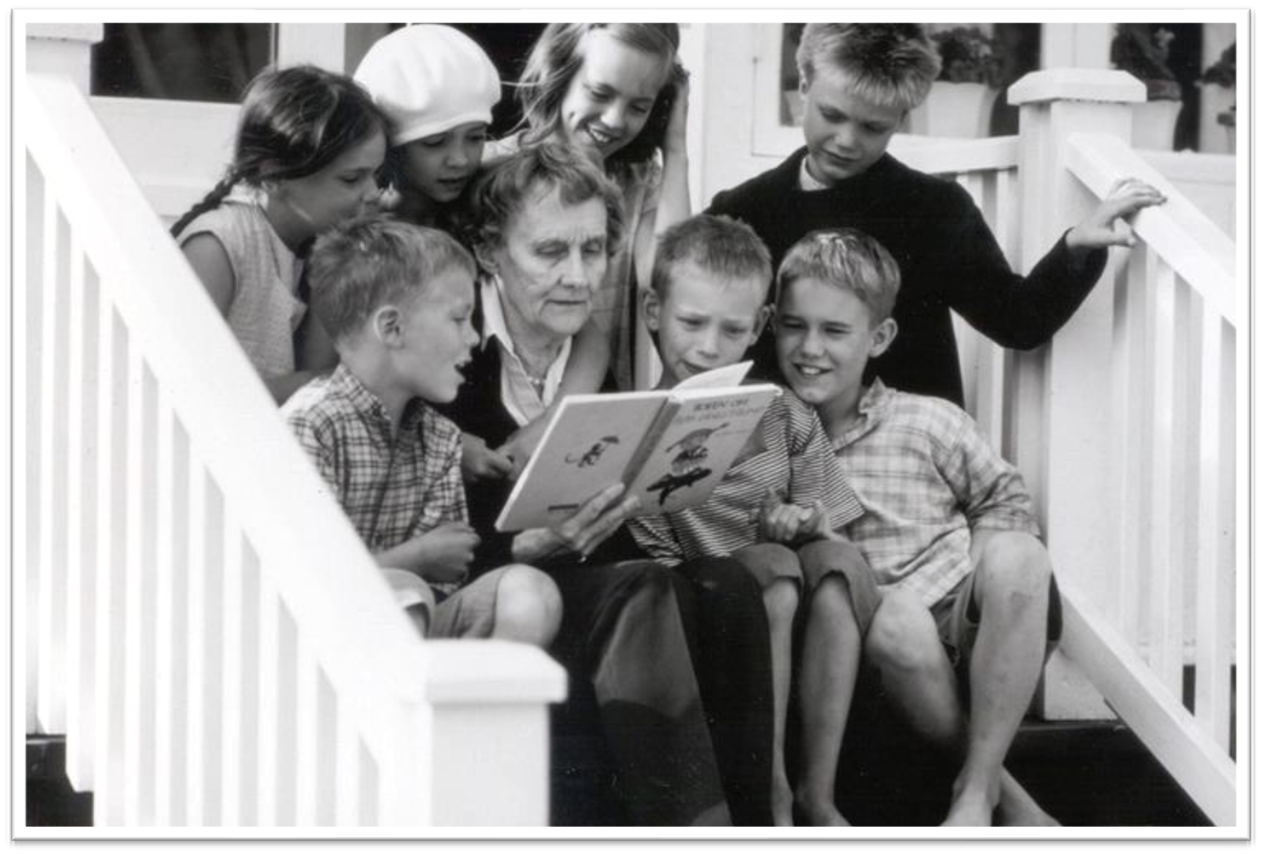
The film’s thesis is simple, and once you hear it, you cannot unhear it, no matter how hard you try: motherhood in America is impossible by design. Work ends at six, school pickup is at three. Childcare costs more than a paycheck. Some mothers are back at their desks two weeks postpartum, laptop balanced on a body still healing with a heavy heart. Moms aren’t broken. The system is, and it was never built with mothers in mind. And behind the logistics, there is a harder truth: we don’t have the village we need to make all of this happen without an enormous amount of pain, sacrifice, and money.
Other cultures raise kids collectively, with grandparents down the hall, aunties on call, neighbors who show up with a casserole and don’t leave until the dishes are done. American culture teaches independence like it’s a personality trait to be proud of, hands you a newborn, and says good luck, you’ve got this. We’re raised to believe needing help is a character flaw, not a completely reasonable response to raising an actual human being. That lack of support isn’t a personal failing in exhausted mothers. It’s a design choice, and it has quietly, systematically hurt women and their families for generations.
Watch the trailer:
And then, every time mothers get close to actually fixing this, someone hands them a culture war instead. Tradwife versus girlboss. Working mom versus stay-at-home mom. (I wrote about the Mommy Wars HERE). It’s the same fight in a new outfit, running on a loop since the 1950s, and it works brilliantly, because the worst thing you can accuse a woman of is being a bad mother. So women take the bait, burn an evening defending sourdough starters or spreadsheet skills in a stranger’s Instagram comments, and while everyone’s busy scoring points, the actual system failing all of us on paid leave and childcare can just go back to normal. As Reshma put it, most people can’t actually afford to be either a tradwife or a girlboss. They’re just trying to survive the week without a sick kid, a school closure, or a check-engine light blowing up the budget.
Her point, worth repeating over and over again: the culture war between “tradwife” and “working mom” doesn’t liberate anyone. It just keeps everyone too busy bickering to get ahead, and the system pervails.

Women don’t have to agree on everything. We don’t even have to like each other to agree that the system is failing all of us. Choosing to support each other anyway, especially when it’s inconvenient, is the whole ballgame. Reshma talks about how mothers should be able to show up to work and everywhere else as their full selves, without performing the vanishing act pretending the sick kid, the school play, and the pediatrician appointment don’t exist between nine and six. Right now, so many women run a kind of split-screen life: flawless professional in the office, invisible everywhere else because admitting you have a family still somehow reads as a liability, not a fact of being a human person who reproduced. That shouldn’t be the cost of a paycheck. It’s a through-line in her career, not a plot twist.

Watch her TED TALK here
Reshma ran for Congress in 2010, lost, and instead of sulking about it (a very reasonable option), she channeled the loss into building Girls Who Code. When she became a mother herself, she pointed that same relentlessness at the systems failing parents — first Marshall Plan for Moms, then Moms First — and at a genuinely bipartisan push for paid leave.
The US is the only industrialized country in the world without a federal law mandating paid time off or paid family and medical leave. Then people wonder why women are burned out, why they are leaving the workplace, and why families are stressed.
And the numbers back her up: this isn’t actually a partisan issue, whatever cable news tells you. A 2024 national poll from BPC Action, Pivotal Ventures, and Morning Consult found 82% of voters support a federal paid family and medical leave program, including 90% of Democrats and 76% of Republicans. Nearly 8 in 10 voters (79%) said they specifically want policymakers working on bipartisan solutions for caregiving.
“People are dying to talk about this.” That’s what Reshma told the room Monday, and you could feel it from the 150 women who showed up that night. Mothers aren’t silent about this because it doesn’t matter to them; they’re silent because they are scrambling, they are busy, and there’s rarely a room built for the conversation.
Reshma wants the film to be just the beginning, and she hopes the gatherings can really be a place where this movement can grow: we need more living rooms, more theaters, more nights like this one, where women can say the true, unglamorous parts out loud and discuss possible solutions (that will only come when women work together). So here’s the ask, and it’s an easy yes: if you want to make a difference, host a screening. Invite friends from different stripes, pour the wine, order the cheese, and talk about it. Then, hopefully many of them will get involved with Moms First by donating, volunteering, and promoting them like I am doing here.
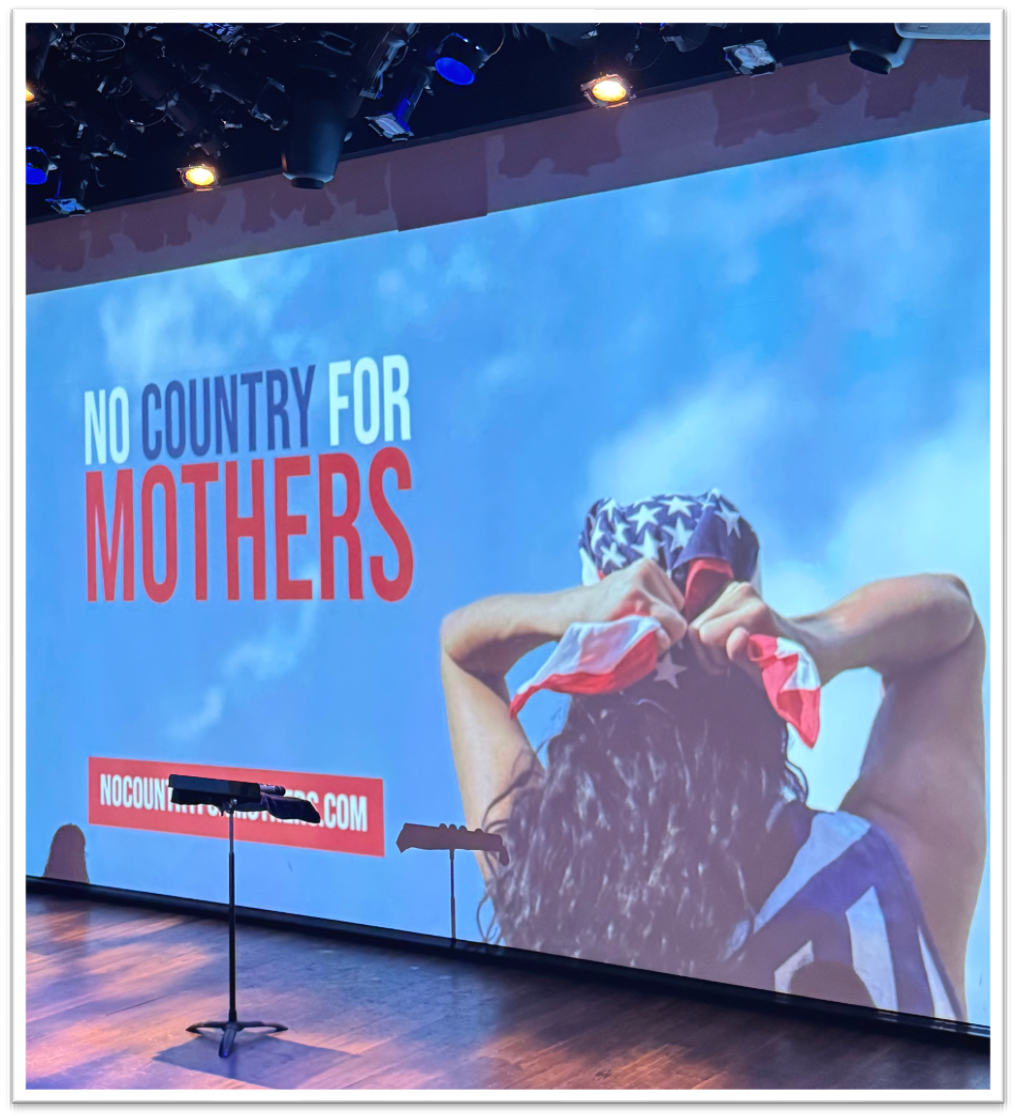
This is not a political issue. It’s a human one, and it’s ours to fix together, regardless of who we vote for. No Country for Mothers is currently touring the country. Find a screening or host your own at momsfirst.us/doc, and let’s get this country to care about moms and families.
Sending love,
Patricia
Amen! As long as we're hiding our struggles and comparing ourselves (and then criticizing from a place of fear and guilt) other women we aren't looking out to the "system" thinking - maybe we're not the source of the problem? Thanks as always for sharing and bringing this critical conversation to light.
On point as always.