

Hi there,
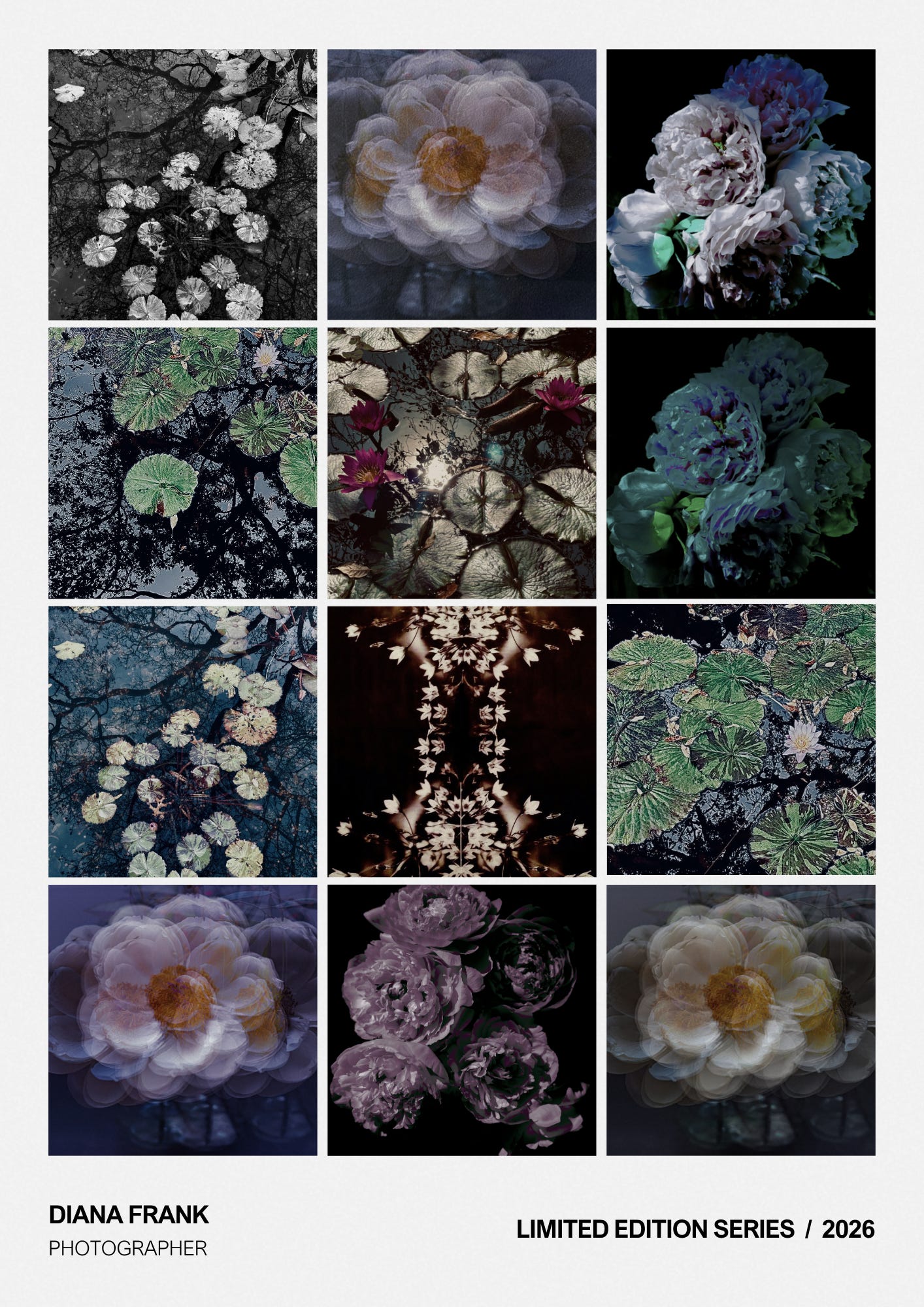
Thank you all who came to Manolo Blahnik this week and shopped for a great cause. If you couldn’t make it but still want to support CaringKind, you can purchase Diana Frank’s limited edition, handmade prints (she is a fellow 100 Women of Impact). They are $750 each, and she is donating 10% to CaringKind. Head to her website to see them in detail, and contact her to purchase.

A few months ago, in the middle of a French lesson, my teacher Carrie Anne said something that was not in my French bingo card: you’l learn better if you remove the concept of time. Remove the timeline for when you’re “supposed” to be fluent, and just do the learning itself, unhooked from the clock.
I haven’t stopped thinking about it since, because of course this isn’t really just about French. It’s about everything. Except we’ve built entire lives around the opposite idea, and most of us never stop to ask why.
As summer progresses and I get used to loose schedule with my children, the later nights, the daily ice cream for dessert, I’m finally feeling like I’m in summer. Which would be great if it weren’t also a little sad, because in less than a month they go back to school and I go back to a more structured life, and just naming that puts pressure on what’s left.
We all feel this: knowing there’s an end date changes how you experience the thing itself.
That’s the paradox my teacher’s comment keeps circling back to for me: a deadline focuses you, but it also steals something from the middle of the experience, because part of you is always aware the clock is running.
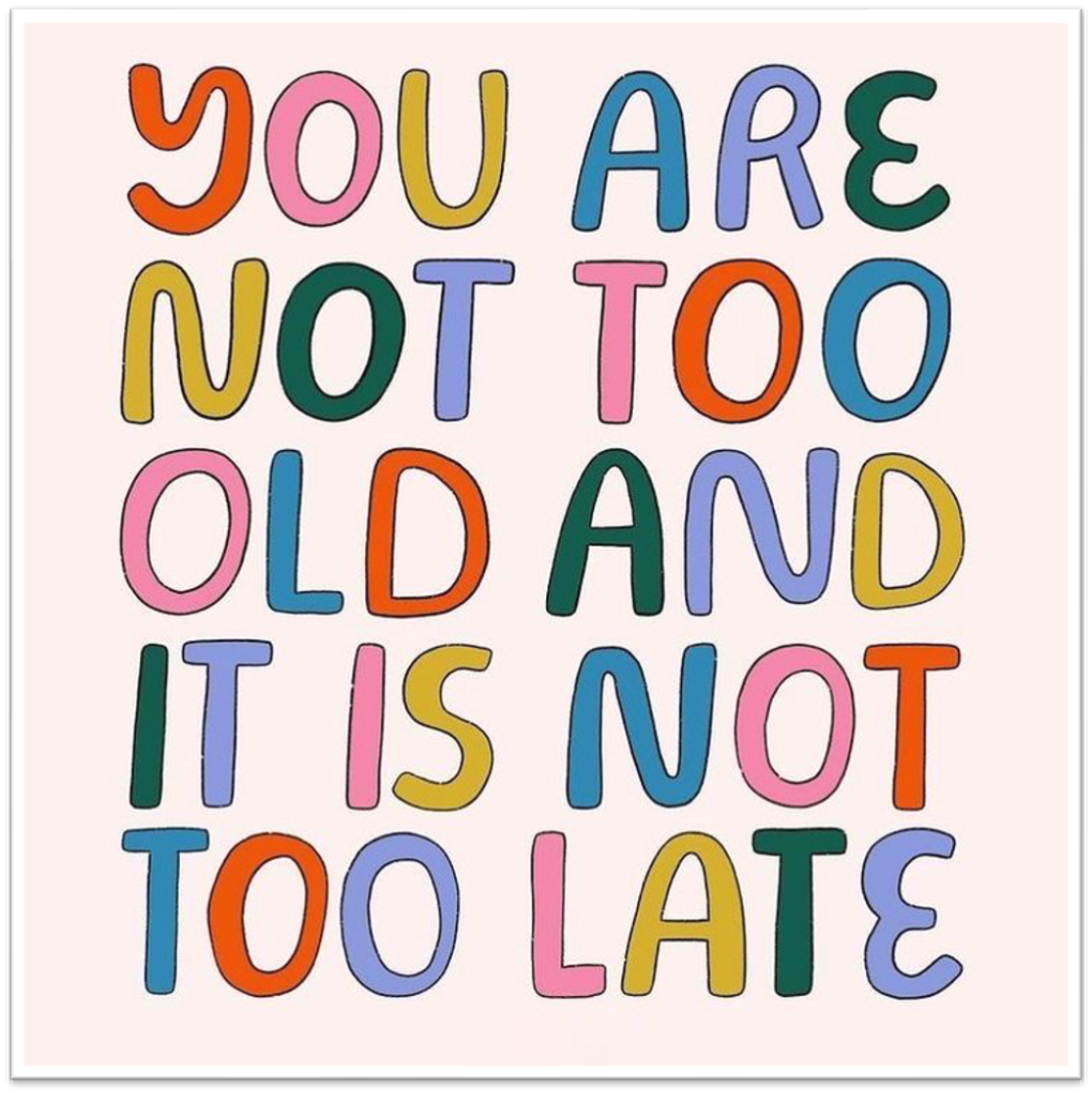
I’ve been thinking about this more broadly too, if I’m honest, because I’m not only recalibrating for September - I’m recalibrating for midlife. I’m 55, the same age as my father when he retired, and never did anything else. Just... stopped. And I cannot picture doing the same thing, it just isn’t me. But when I try to envision what my next phase actually looks like, I catch myself running into the same wall I hit with my French lessons. The idea that certain things have a “should happen by” attached to them. That there’s a deadline for certain things in life, and if you miss it, you are late.
And feeling like it’s too late is so deeply wired into how we think that it barely feels like a belief anymore. It feels like a fact, but I know it in my bones it isn’t. It’s a construct, the same way a deadline on learning French is a construct, or how long a woman can stay vital in society is a construct.
In my twenties and thirties, all I could see was a road ahead of me - long and endless, wide open. And now that I feel more confident, more experienced, and so much more proficient, wiser and more capable, I feel that so much more is ahead of me, and that time is abundant, despite what the system wants me to believe.
I think that’s the shift I’m actually in the middle of this summer. I’m trying to enjoy what is happening right now.
I’m trying to get out of scarcity mindset on all fronts - especially about time.
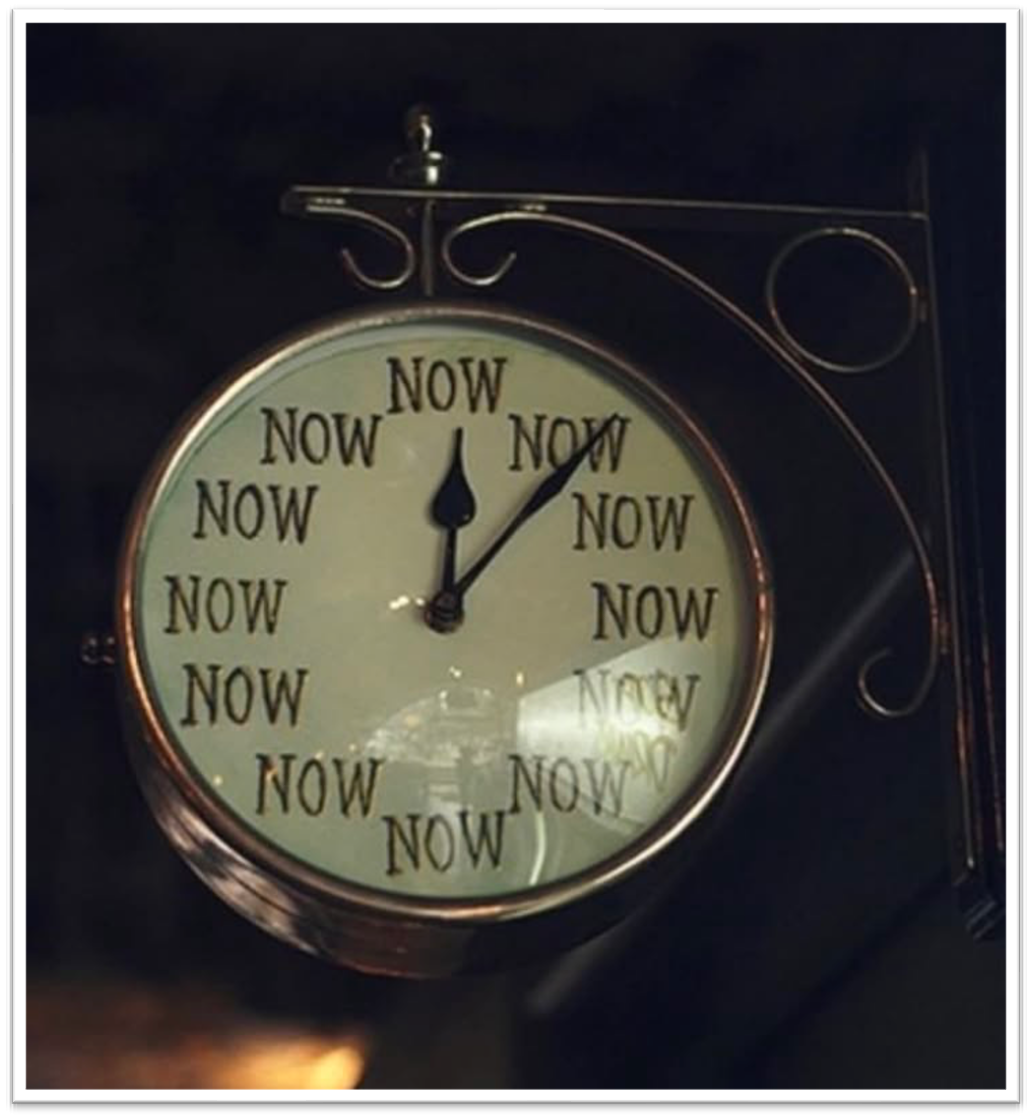
So I’m going to try to live the way my teacher described, even outside of French class. Time is a construct. Maybe happiness isn’t about beating the clock or racing it or even accepting it gracefully - maybe it’s about taking it out of the conversation entirely, when I can, and asking instead: “Does this feel right? Does this move me toward the best version of myself”? Not “Is it too late?”, or “Am I behind?”, or “What’s the deadline?”.
We’ve got a few more weeks of loose schedules and late nights left. I'm not going to rush toward the structure that's coming, or mourn it either. And I'm not going to rush toward what's next in my life, or feel sad about what's stayed in the past. Or at least I’ll try.
Sending love,
Patricia